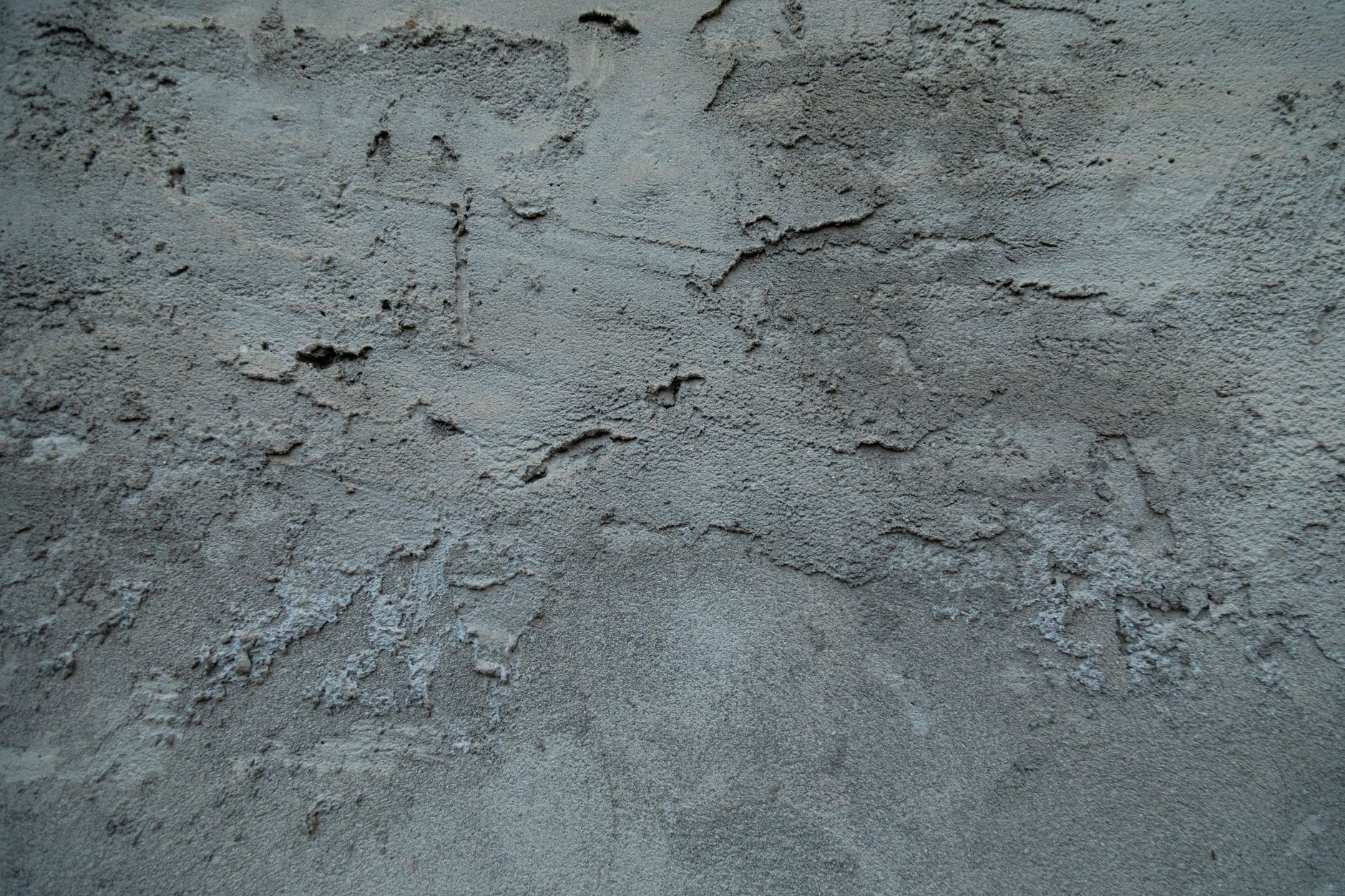
Cosmetic vs. Structural Foundation Cracks: How to Tell the Difference in Texas Homes
By Pinnacle Foundation Repair12 min read
In Texas homes, cosmetic foundation cracks are typically hairline fractures under 1/16 inch wide caused by normal concrete curing or minor settling. Structural cracks are wider than 1/4 inch, run diagonally, show vertical displacement, or appear alongside sticking doors and uneven floors. Expansive clay soils make structural cracks more common in DFW than in most U.S. markets.
What Is the Core Difference Between Cosmetic and Structural Foundation Cracks?
The distinction between cosmetic and structural foundation cracks is not cosmetic itself. It is the difference between reaching for a $10 tube of caulk and scheduling a $15,000 to $30,000 engineered repair. A cosmetic crack is a surface-level fracture that does not compromise the load-bearing integrity of the foundation system. It may be visible and unattractive, but it carries no structural risk and will not worsen under normal conditions. A structural crack, by contrast, signals movement, separation, or failure somewhere in the foundation system. It reflects real forces acting on the concrete, and those forces do not stop just because the crack becomes familiar. The full symptom picture matters as much as the crack itself. A crack is more likely cosmetic if it is a small hairline crack, stays the same over time, and appears alone without other movement signs. When cracks widen, multiply, or arrive alongside sticking doors and sloping floors, the situation demands professional evaluation.
Why Does Texas Produce So Many Foundation Cracks?
The geology beneath Dallas and Fort Worth is the primary explanation. More than 90% of North Texas soil is highly expansive clay soil, which is not a minor footnote but the defining challenge of every structure built in the DFW area (dfwcustompool.com). These Vertisol clay soils absorb water and expand, then release moisture during drought and shrink sharply. The cycle repeats every season, and sometimes multiple times per season during the wet springs and brutal summers that define North Texas weather. Each contraction and expansion cycle exerts forces on the underside of a concrete slab that no residential foundation system entirely resists. The result is that virtually every home in the DFW metroplex will develop some form of foundation cracking over its lifespan. The critical question is never whether cracks will appear. The question is whether those cracks represent the structure adapting to normal conditions or the structure beginning to fail. Understanding North Texas soil science at this level is what separates a competent assessment from a salesperson walking around your home pointing at things.
How Do You Identify a Cosmetic Foundation Crack?
Cosmetic cracks share a consistent set of characteristics that distinguish them from structural threats. Width is the primary indicator. Hairline cracks typically measure 0.005 to 0.010 inches wide, and cracks up to 0.016 inches are classified as acceptable for residential flatwork in dry environments (slabcalc.co). To put that in tactile terms, 0.016 inches is narrower than a credit card edge. If you cannot fit a credit card edge into the crack, you are almost certainly looking at a cosmetic crack. Stability over time is the second indicator. A cosmetic crack does not widen, lengthen, or shift. Mark both ends with a pencil and a date, then recheck after 30, 60, and 90 days. No measurable change is a strong signal of cosmetic origin. The absence of accompanying symptoms completes the picture. If your doors and windows operate normally, your floors feel level, and no moisture is entering through the crack face, the crack is almost certainly cosmetic. Usually cosmetic: thin interior drywall cracks, a single crack that has not changed, or small settlement cracks after normal drying and shrinkage.
What Does a Cosmetic Crack Look Like on a Texas Slab Foundation?
On a Texas slab, cosmetic cracks most often appear in three recognizable forms. The first is a thin, uniform-width hairline running along a mortar joint or through a brick veneer course with no vertical displacement and no moisture staining at the crack face. The second is evenly spaced parallel cracks across a garage floor slab. These are classic concrete shrinkage cracks. Typical drying shrinkage strain for normal concrete ranges from 400 to 800 microstrain, which translates to approximately 1/16 inch of contraction per 10 linear feet. The third form is small step cracks in brick that follow mortar joints without any vertical displacement greater than 1/8 inch. None of these patterns require structural intervention. Monitor them, document them photographically, and revisit them seasonally.
How Do You Identify a Structural Foundation Crack?
Structural cracks announce themselves through a combination of measurable physical characteristics and accompanying symptoms that cosmetic cracks never produce. Width is the threshold: engineering practice treats cracks at or above 1/4 inch as a structural concern requiring professional evaluation. Beyond width, vertical displacement is the most decisive indicator. When one side of a crack sits measurably higher than the other, the slab has experienced differential settlement, meaning different sections of the foundation have moved downward at different rates. That asymmetric movement is what generates the shear forces that crack concrete in structural ways. Diagonal cracks running at 45-degree angles from window or door corners are classic shear stress signatures. Horizontal cracks in stem walls or pier-and-beam perimeter beams are among the most serious patterns because they indicate lateral soil pressure pushing against the foundation wall from outside. Usually structural: stair-step cracks in brick or mortar, horizontal cracks, cracks that grow, multiple cracks around openings, or cracks paired with doors and windows that stick and floors that feel uneven. Nationally, 45% of older homes built before 1980 show signs of differential settlement (gitnux.org), and door operation problems affect 40% of homes experiencing foundation settlement (ossum.ca).
Which Crack Patterns Are Most Dangerous in DFW Homes?
Several crack patterns carry elevated risk in DFW's clay soil environment and deserve particular attention from Dallas and Fort Worth homeowners. Wide diagonal cracks that originate at the corners of door or window openings and widen as they travel away from the corner are a reliable structural signal. The corner of any opening is the weakest point in a concrete section, and differential settlement exploits that weakness first. Stair-step cracks in exterior brick veneer that widen progressively toward one corner of the house are the most iconic Texas structural crack pattern because they trace the path of a foundation edge sinking into shrinking clay. Multiple new cracks appearing within a short period following a severe drought or a heavy rain event indicate that the soil beneath the slab has shifted rapidly enough to overload the concrete in multiple locations simultaneously. Cracks that reopen after previous cosmetic repair are a particularly clear signal because they prove that active movement is still occurring. If several warning signs show up together, the home should be inspected by a qualified foundation or structural professional. Do not wait.
Cosmetic vs. Structural Foundation Cracks: Side-by-Side Comparison
No single feature definitively classifies a crack as cosmetic or structural. The full diagnostic picture, built from multiple criteria assessed together, determines the correct classification. Ground-penetrating radar and digital elevation surveys add objective data that visual inspection alone cannot provide. The table below consolidates the most reliable diagnostic criteria into a format you can apply during your own initial assessment before scheduling a professional evaluation.
| Feature | Cosmetic Crack | Structural Crack |
|---|---|---|
| Typical Width | Under 1/16 inch | 1/4 inch or wider |
| Vertical Displacement | None | Present; one side sits higher |
| Crack Pattern | Hairline, map cracking, shrinkage lines | Diagonal (45°), stair-step, horizontal |
| Location Risk | Interior drywall, garage slab surface | Exterior brick veneer, foundation beam, stem wall |
| Progression Over Time | Stable; no measurable widening | Widens, lengthens, or reopens after repair |
| Accompanying Symptoms | None | Sticking doors, sloping floors, gaps at ceiling, water intrusion |
| Typical Cause in Texas | Concrete curing shrinkage, minor settling | Differential settlement from expansive clay soil movement |
| Recommended Action | Monitor; cosmetic caulking acceptable | Professional elevation survey and GPR assessment required |
| Approximate Repair Cost | $0 to $200 (DIY caulk or patch) | $3,300 to $30,000+ depending on scope |
| Urgency | Low; schedule routine monitoring | High; do not delay evaluation |
Cosmetic vs. Structural Foundation Cracks at a Glance
Cosmetic Cracks: Pros and Cons
Pros: No structural risk, low cost to address, stable over time, and typically self-contained without spreading to adjacent building components. Monitoring is sufficient in most cases.
Cons: Can be cosmetically unpleasant, may allow minor moisture wicking if unsealed, and in North Texas's expansive clay environment, a crack that begins cosmetically can graduate to structural concern if soil conditions shift significantly over multiple drought cycles. The expansive clay soil in North Texas can make minor cracks worsen over time, which is why periodic monitoring is not optional.
Structural Cracks: Pros and Cons
Pros: Structural cracks are diagnosable and repairable. When caught before severe differential settlement occurs, repairs are less invasive and less expensive. Early detection protects property value and prevents secondary damage to plumbing, drywall, and door frames.
Cons: Repair costs range from $3,300 for moderate Texas repairs to $15,000 to $30,000 or more for major structural work involving multiple piers or whole-house lifting. Delay worsens outcomes in every case.
When Is a Professional Assessment Required Regardless of Crack Appearance?
Four situations demand professional evaluation regardless of how a crack looks. First, any crack accompanied by water intrusion requires immediate assessment for both waterproofing and structural integrity. Second, any crack that visibly widens or lengthens over a 30 to 90 day monitoring period has demonstrated active movement and cannot safely be classified as cosmetic. Third, any crack discovered during a real estate transaction in Texas triggers disclosure liability under Texas Property Code Section 5.008, and a written professional assessment protects both seller and buyer. Fourth, homes on the Blackland Prairie soil zones that cover much of the DFW metroplex should receive periodic professional assessments even without visible cracking, because the soil movement that precedes visible cracking is often detectable through elevation surveys before the concrete fails. A single stable hairline crack is often cosmetic, but changing cracks plus movement symptoms deserve a professional evaluation.
What Texas Homeowners Should Do After Identifying a Suspicious Crack
The immediate steps after finding a suspicious crack in a Dallas or Fort Worth home are straightforward but critical to get right. First, photograph the crack immediately with a smartphone, placing a coin or ruler against it for scale. This creates a timestamped baseline that supports monitoring and any future professional assessment. Second, mark both ends of the crack with a pencil and write the date beside each mark. Check back at 30 days, 60 days, and 90 days to detect any measurable change in length or width. Third, do not apply cosmetic filler to a potentially structural crack before a professional has seen it. Filler masks the diagnostic evidence that engineers and foundation specialists rely on to classify the crack correctly.
Consider a concrete scenario: a homeowner in Frisco notices a stair-step crack in their brick veneer running from the lower-left corner of their garage door upward and to the right, widening slightly toward the top. They photograph it, mark the ends, and wait 45 days. The crack has lengthened by two brick courses. This is not a monitoring situation anymore. This is a call-for-assessment situation. At Pinnacle Foundation Repair, we use ground-penetrating radar and digital elevation surveys on every assessment, not visual inspection alone, precisely because that Frisco homeowner deserves to know whether the crack reflects a void beneath the slab, differential settlement, or a combination of both before a single pier is ever quoted.
How Ground-Penetrating Radar Changes the Diagnosis
Ground-penetrating radar maps voids, post-tension cable locations, and rebar depth beneath a slab without any excavation. Voids beneath slabs are a leading cause of structural cracking in DFW and are completely invisible from the surface. A crack that looks structural from above may be traceable to a void that requires polyurethane injection or mudjacking rather than pier installation. Conversely, a crack that looks minor from above may overlie a significant void that makes pier installation the correct answer. GPR is estimated to be 90% accurate in determining subsurface conditions (fortunebusinessinsights.com), which is why its adoption in professional foundation assessment is growing rapidly. Companies that use GPR are more likely to recommend only the work genuinely required. This directly addresses the industry's upselling reputation by grounding recommendations in objective subsurface data rather than surface observation alone.
The Verdict: When to Monitor and When to Act
The recommendation framework is simple.
Monitor if: the crack is under 1/16 inch wide, shows no vertical displacement, appears in interior drywall or a garage slab, has not changed over 30 to 90 days, and has no accompanying symptoms. Document it seasonally.
Act immediately if: the crack is 1/4 inch or wider, shows vertical displacement, runs diagonally from an opening corner or in a stair-step pattern through exterior brick, has been widening or lengthening, is accompanied by sticking doors, sloping floors, or water intrusion, or was found during a real estate transaction. Call for a professional foundation assessment with GPR and elevation survey, request a written report, and do not accept a verbal repair quote as a substitute for documented findings.
Results speak louder. Catching a structural problem early costs a fraction of addressing it after years of undetected movement. The North Texas clay cycle does not pause. Neither should your evaluation.
Frequently Asked Questions
How wide does a foundation crack have to be before it is considered structural in Texas?
Engineering practice treats cracks at or above 1/4 inch wide as a structural concern requiring professional evaluation. Cracks up to 0.016 inches are classified as acceptable shrinkage cracks for residential flatwork. Width alone is not the only factor; vertical displacement, crack pattern, and accompanying symptoms like sticking doors also determine severity.
Can a cosmetic foundation crack turn into a structural problem over time?
Yes. In North Texas, the expansive clay soil that underlies more than 90% of the DFW metro area expands and contracts seasonally. A cosmetic crack can widen into a structural concern through repeated wet-dry cycles if soil movement accelerates beneath the slab. Monitor any crack every 30 to 90 days and schedule a professional assessment if measurable widening occurs.
Does homeowners insurance in Texas cover structural foundation cracks?
Most standard Texas homeowners insurance policies exclude foundation damage caused by soil movement, settling, shrinkage, or expansion. Coverage may apply if a sudden covered peril like a plumbing leak caused or contributed to the foundation damage. Review your specific policy language and consult your insurer before assuming coverage exists for any foundation crack.
How much does a professional foundation crack assessment cost in Dallas-Fort Worth?
Many foundation repair companies in the DFW area offer free initial assessments, though independent structural engineer inspections typically cost $300 to $700. A written engineering report with elevation data and GPR findings may cost more. Always request a written report rather than just a verbal quote so you can compare findings across multiple providers.
What is the difference between a slab foundation crack and a pier-and-beam foundation crack in Texas?
Slab foundation cracks occur in the concrete monolith poured directly on grade and are most often caused by differential settlement from clay soil movement beneath the slab. Pier-and-beam foundation cracks typically appear in the perimeter beams, interior wooden girders, or masonry stem walls and are often caused by wood rot, beam failure, or inadequate pier support spacing.
Is a stair-step crack in my brick always a sign of structural foundation damage?
Not always, but stair-step cracks in exterior brick veneer that progressively widen toward one corner of the house are among the most recognized structural crack patterns in Texas. A stair-step crack that is narrow, stable, and shows no vertical displacement may be cosmetic. One that is widening, shows offset between brick courses, or appears alongside sticking doors requires professional evaluation promptly.
What crack patterns suggest structural damage in slab homes?
Diagonal cracks running at 45-degree angles from the corners of doors or windows, stair-step cracks in exterior brick veneer that widen progressively, horizontal cracks in stem walls, and any crack showing vertical displacement are the primary structural signals in slab homes. Multiple cracks appearing simultaneously near openings after a drought or heavy rain event also indicate structural concern.
Who can inspect foundation cracks in North Texas?
Licensed structural engineers and professional foundation repair companies operating in Texas can assess foundation cracks. Structural engineers provide independent, unbiased written reports and are appropriate for complex cases or real estate transactions. Foundation repair companies like Pinnacle Foundation Repair in DFW provide assessments using tools like ground-penetrating radar and digital elevation surveys to support objective diagnosis.
How much does a foundation inspection cost in DFW?
Many DFW foundation repair contractors provide free assessments. Independent licensed structural engineer inspections in the Dallas-Fort Worth area typically range from $300 to $700 depending on home size and report complexity. Inspections using ground-penetrating radar may carry an additional fee. For real estate transactions, a written engineering report is strongly recommended regardless of cost.
What soil issues in North Texas cause foundation cracks?
More than 90% of North Texas soil is highly expansive Vertisol clay, which expands when wet and shrinks sharply during drought. This repeated expansion and contraction creates heave and differential settlement beneath concrete slabs. DFW's climate amplifies this cycle with wet springs and extreme summer heat, making North Texas one of the most challenging soil environments for residential foundations in the entire country.
When should I call a structural engineer for cracks?
Call a structural engineer when a crack is 1/4 inch or wider, shows vertical displacement, has been measurably widening over 30 to 90 days, is accompanied by sticking doors or sloping floors, involves water intrusion, or appears during a real estate transaction. An independent engineer provides the most objective assessment and written documentation for insurance claims, real estate disclosure, or major repair decisions.
Sources & References
About the Author
Pinnacle Foundation Repair
Pinnacle Foundation Repair is the Dallas-Fort Worth area's leading foundation repair company, using advanced ground-penetrating radar technology and transparent assessments to deliver only necessary work backed by lifetime warranties.
Related Posts
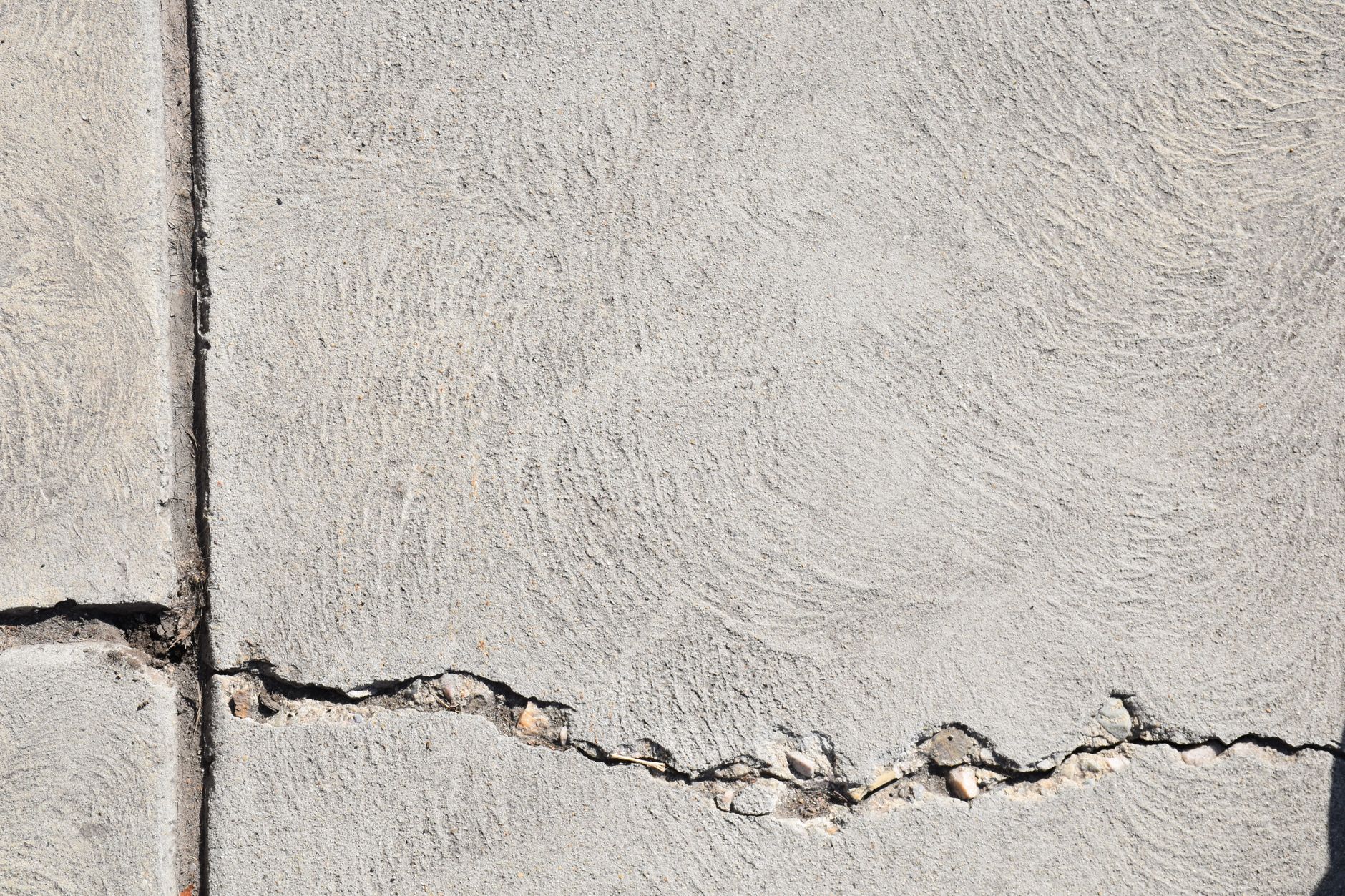
How Much Does Foundation Repair Cost in Dallas-Fort Worth?
Foundation repair in Dallas-Fort Worth typically costs $2,000 to $15,000+, with most homeowners paying $4,500 to $9,500 depending on the number of piers required and the severity of soil movement. This guide breaks down real DFW pricing, what drives costs up, and how to get an honest assessment.
10 min read
Steel Piers vs. Pressed Pilings: Which Foundation Repair Method Lasts in North Texas Soil?
North Texas expansive clay soil is unforgiving, and not every foundation repair method survives it. This comparison breaks down steel piers and pressed pilings across cost, depth, longevity, and real-world performance in DFW conditions so you can make a confident, informed decision.
11 min read