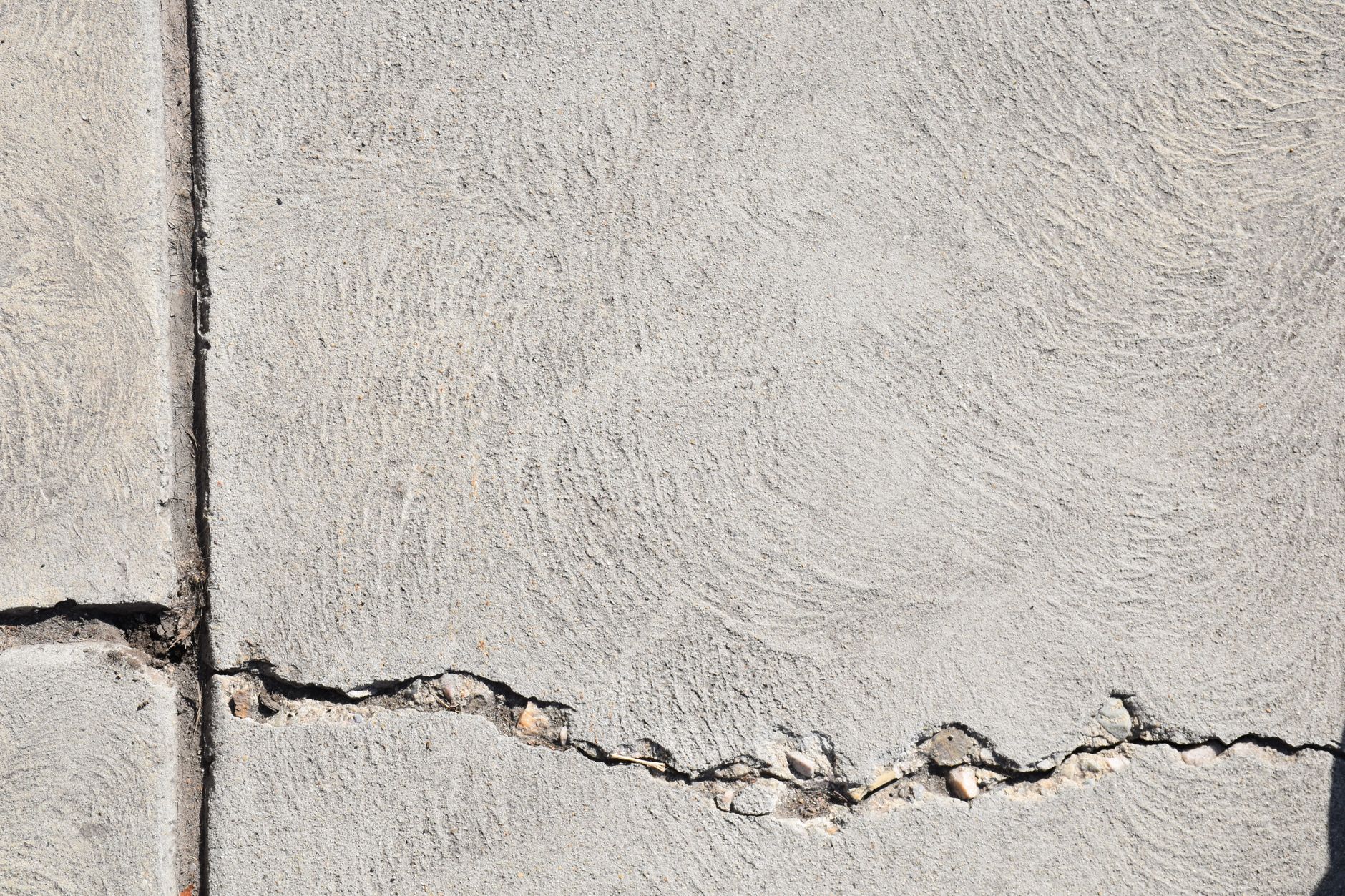
How Much Does Foundation Repair Cost in Dallas-Fort Worth?
By Pinnacle Foundation Repair10 min read
Foundation repair in Dallas-Fort Worth typically costs $2,000 to $15,000, with most homeowners paying between $4,500 and $9,500. Pier installation runs $1,200 to $2,500 per pier depending on type and depth. Final cost depends on the number of piers needed, soil conditions, and site access. Minor crack repairs start around $500, while severe slab failures can exceed $20,000.
What Is the Average Foundation Repair Cost in Dallas-Fort Worth?
DFW homeowners face a wide range of foundation repair costs. Understanding your project requires more than a phone estimate. Get an on-site evaluation first. Nationally, foundation repair averages $5,176 per project, with most jobs falling between $2,225 and $8,135 (homeadvisor.com). One local contractor's internal data puts the DFW average repair cost at approximately $5,300 per project. Minor repairs such as crack injection or surface sealing fall in the $500 to $5,000 range for localized, non-structural damage.
Foundation Repair Cost Ranges by Job Size
Job size in foundation repair is best measured by pier count and scope of affected area, not square footage of your home. Small jobs involve 1 to 5 piers. These are often perimeter repairs on one corner or side of a home where early-stage settlement is caught before it spreads. The right scope is determined by a physical elevation survey, not a visual inspection alone.
How Do DFW Costs Compare to the National Average?
Nationally, foundation repair costs range from $2,224 to $8,134, with an average of $5,179 per project (thisoldhouse.com). DFW homeowners consistently pay at the higher end of that range and frequently above it. The reason is geology. North Texas sits on Blackland Prairie Vertisol clay, some of the most expansive soil in North America. Reaching stable load-bearing limestone bedrock in DFW requires piers driven 15 to 25 feet deep, versus 8 to 12 feet in less active soil regions. Greater depth means more labor hours, more material, and higher spoil removal costs on every single pier installed. The seasonal demand cycle also pressures local pricing. After extended drought periods followed by heavy rain, Dallas-area foundation repair companies are often booked weeks out, and that labor demand affects what crews can charge. The premium is real, and it reflects genuine geological complexity rather than regional price gouging.
What Factors Drive Foundation Repair Costs in DFW?
Soil type is the single largest cost variable for any foundation repair project in North Texas, but it is not the only one. The total number of piers required scales directly with how many linear feet of the foundation have shifted beyond acceptable tolerance. Pier type selection, whether pressed concrete, steel push, or helical, creates significant cost differences per unit. Accessibility obstacles exist. Home size and slab thickness influence both labor hours and material requirements. A precise estimate that accounts for all of these variables is only possible after an on-site evaluation with elevation measurements.
Why Does DFW Soil Make Foundation Repair More Expensive?
Expansive soils affect 25% of U.S. land and cause $9B in property damage annually (gitnux.org). North Texas concentrates this problem. In some North Texas neighborhoods, over 60% of the soil composition is high-shrink clay, making it among the most volatile soil environments in the world. Soil shrinkage and swelling cause 52% of foundation cracks nationally (gitnux.org), and in DFW that mechanism is amplified by the region's dramatic moisture swings between drought and wet seasons. Clay soils in the metroplex can shift 3 to 6 inches vertically across a single year. That movement is what forces contractors to drive piers far deeper than in most other U.S. markets. Reaching the stable limestone bedrock beneath DFW's clay layers requires more machine time, more pier segments, and more labor per hole. Soil chemistry in certain areas also accelerates corrosion on bare steel, influencing which pier type is specified. Helical piers with protective coatings are sometimes required where soil acidity would degrade standard push piers within a decade.
How Does Pier Type Affect Your Total Cost?
Pier selection is the single largest line-item decision in any DFW foundation repair quote. Concrete pressed piers are the lowest upfront option at $300 to $600 per pier in DFW, but they have limited depth control and carry a higher long-term settlement risk on active clay. Helical piers cost $1,200 to $1,800 per pier and are best suited for light structures, additions, and poor-bearing soils. Choosing the cheapest pier type without matching it to soil conditions often leads to repeat repairs within 5 to 10 years. That second repair costs more than doing it right the first time.
Foundation Pier Types: Cost and Performance Comparison for DFW Homeowners
Selecting the right pier system for your specific soil conditions and load requirements is one of the most consequential decisions in the foundation repair process. The table below compares the four primary pier types used in DFW by cost, best use case, typical depth, warranty expectation, and long-term settlement risk. Use this as a starting framework when reviewing contractor proposals, not as a substitute for a site-specific recommendation from a qualified engineer or experienced contractor.
| Pier Type | Cost Per Pier (DFW) | Best Use Case | Depth Range | Warranty Expectation | Long-Term Settlement Risk |
|---|---|---|---|---|---|
| Pressed Concrete Piers | $300-$600 | Budget repairs on stable soil with limited settlement | 8-12 ft | 5-10 years typical | Moderate to High |
| Steel Push Piers | $1,000-$1,500 | Moderate to severe slab settlement reaching bedrock | 15-25 ft | Lifetime transferable common | Low |
| Helical Piers | $1,200-$1,800 | Additions, porches, light structures, poor-bearing soil | 10-20 ft | Lifetime transferable common | Low |
| Drilled Bell-Bottom Piers | $800, $1,200 | Commercial or heavy residential loads on expansive clay | 10-20 ft | 10-25 years typical | Low to Moderate |
How to Get an Accurate Foundation Repair Estimate in Dallas-Fort Worth
A legitimate foundation repair estimate requires a physical on-site evaluation. No reputable contractor can quote you accurately over the phone. The process should begin with a foundation elevation survey using zip levels or digital levels to map exactly how much the slab has moved and where. Ground-penetrating radar (GPR) surveys add subsurface data that improves pier placement accuracy, reduces the risk of unnecessary work, and provides documentation you can use for future resale or warranty claims. At Pinnacle Foundation Repair, we use GPR as a standard diagnostic tool, not an upsell, because it genuinely changes how we interpret what the soil is doing beneath the slab. A precise estimate should itemize pier count and type. Include depth specification tied to soil data. Add drainage scope, crew composition, and warranty terms. A trustworthy contractor would schedule an on-site elevation survey and GPR scan. The contractor discovers that the home needs 8 steel push piers at 20-foot depth due to active Vertisol clay beneath the slab. This enables the homeowner to compare accurately against other proposals. Vague proposals are a red flag. So is pressure to sign the same day.
What Should a Trustworthy Foundation Estimate Include?
An estimate you can rely on goes well beyond a single total price. It should break down the number of piers by location (perimeter versus interior) with unit pricing per pier type. Pier depth must be specified and tied to actual soil boring or GPR data, not a round number that sounds reasonable. Written warranty terms should state duration, transferability to a future buyer, and what voids coverage. If drainage or moisture management work is recommended, it needs its own line item with a clear scope of work. The timeline for completion and whether the crew is in-house or subcontracted should be stated explicitly. Post-repair elevation documentation and a re-leveling guarantee, should additional settlement occur within the warranty period, are the marks of a contractor who stands behind their work. Get a minimum of three written estimates before deciding. Ask each company to explain, specifically, why they recommended a particular pier count and type based on your soil conditions.
Foundation Repair Financing and Cost Management Options
Foundation repair is rarely a planned expense, and the cost can be disruptive even for prepared homeowners. Most DFW foundation repair companies offer in-house financing or partner with third-party lenders such as GreenSky or HFS Financial. For homeowners with sufficient equity, a home equity line of credit (HELOC) typically carries the lowest interest rate among available options. FHA 203(k) rehabilitation loans can cover foundation repair as part of a broader home improvement mortgage, making them worth exploring for buyers purchasing a home that needs structural work. Some municipalities and counties in North Texas also offer low-interest home repair loan programs for income-qualified homeowners. Delay is expensive. A 5-pier job left unaddressed for 12 to 18 months in DFW's active soil conditions often expands to an 8-to-12 pier job as seasonal moisture cycles continue working on the foundation. Acting early almost always costs less than waiting.
Does Homeowners Insurance Cover Foundation Repair in Texas?
This is one of the most common misunderstandings among Dallas-area homeowners. Standard Texas HO-3 policies explicitly exclude damage caused by soil movement, settling, or shrinkage. That exclusion covers the vast majority of foundation repair scenarios in North Texas, where expansive clay soil is the primary culprit. Coverage may apply if foundation damage is directly and demonstrably caused by a covered peril, such as a burst pipe or plumbing leak. If the issue is a slab leak tied to the foundation, total repair costs commonly land around $2,000 to $7,500, and major cases can reach $15,000+ (homeadvisor.com). Flood-related foundation damage requires a separate NFIP or private flood insurance policy. Document all damage with timestamped photos and a professional written assessment before filing any claim. Some specialty structural warranty products, including 10-year new home warranties, cover foundation systems independently from standard homeowners insurance and are worth reviewing if your home is less than 10 years old.
How to Evaluate Foundation Repair Companies in DFW
Not all foundation repair contractors in Dallas-Fort Worth operate at the same standard. Soil knowledge, diagnostic technology, crew quality, and warranty reliability vary significantly across the market. Results speak louder. The first verification step is confirming that a company holds an active Texas contractor license and carries both general liability and workers' compensation insurance. Ask for those certificates before any work begins. In-house crews deliver more consistent quality than subcontractor-dependent models and create clearer accountability when something needs to be addressed after the job. Check BBB ratings and Google reviews specifically for mentions of post-repair settlement and warranty claim handling, not just initial customer service scores. Ask for references from jobs completed 3 to 5 years ago in your zip code or adjacent neighborhoods. Long-term hold is what matters in DFW soil.
Transferable lifetime warranties are the industry benchmark for quality work in this market. Any warranty shorter than 10 years warrants scrutiny given the activity level of North Texas clay. Companies that use ground-penetrating radar or digital elevation surveys operate at a higher diagnostic standard than those relying on visual-only assessments. National franchises may carry brand recognition, but they often use regional subcontractors with limited local soil expertise. Our team recommends asking every contractor the same six questions before signing: Are your crews in-house or subcontracted? What diagnostic technology do you use? How is pier depth determined for my specific soil? Is the warranty transferable? Can you provide references from jobs three or more years old near my address? What happens if additional settling occurs within the warranty period? A contractor who answers all six clearly and confidently is worth a second conversation.
Frequently Asked Questions
How much does foundation repair cost per pier in Dallas-Fort Worth?
In DFW, pier costs range by type: pressed concrete piers run $300 to $600 per pier, drilled concrete piers run $800 to $1,200, steel push piers run $1,000 to $1,500, and helical piers run $1,200 to $1,800. Nationally, piering systems average $1,000 to $3,000 per pier. Most DFW jobs require 6 to 15 piers total.
Does homeowners insurance cover foundation repair in Texas?
Standard Texas HO-3 policies exclude damage from soil movement, settling, and shrinkage, which covers most DFW foundation failures. Coverage may apply if damage is caused by a covered peril like a burst pipe. Flood damage requires a separate NFIP policy. Always document damage professionally before filing any claim with your insurer.
How long does foundation repair take in DFW?
Most residential foundation repairs in Dallas-Fort Worth take one to three days for pier installation. Larger jobs involving interior piers, drainage work, or full-perimeter stabilization may run three to five days. Concrete cutting and slab restoration add time for interior work. Post-repair settling observation typically continues for 30 to 60 days after completion.
Is it safe to live in a house while foundation repairs are being done?
Yes, in most cases. Exterior pier installation creates minimal interior disruption. Interior pier work requires cutting through the slab, which generates noise and dust but does not require evacuation. Contractors should use dust containment measures. If significant lifting or re-leveling is involved, temporary cracking of drywall or tile grout is common and expected.
What is the difference between pressed concrete piers and steel push piers?
Pressed concrete piers are stacked segments driven by hydraulic pressure to a depth limited by soil resistance, not bedrock. They cost less upfront but carry higher long-term settlement risk. Steel push piers are driven to refusal against stable bedrock, providing predictable load capacity and typically supporting lifetime transferable warranties. Steel push piers are better suited to DFW's deep clay soils.
How do I know if my foundation actually needs repair or if it's just cosmetic cracking?
Hairline cracks in drywall or grout are often cosmetic and result from normal settling. Warning signs that indicate structural movement include cracks wider than a quarter inch, diagonal cracks from door and window corners, doors and windows that stick or no longer close properly, visible gaps between walls and ceilings, and uneven or sloping floors. A physical elevation survey is the only reliable diagnostic.
Will foundation repair increase my home's resale value in DFW?
Yes, particularly when backed by a transferable lifetime warranty. Buyers and their inspectors will identify foundation issues, and unresolved problems either kill deals or force significant price reductions. A documented, warrantied repair removes that obstacle and provides the next buyer assurance. In DFW's competitive market, a transferable warranty is a concrete selling point during negotiations.
How do I find a trustworthy foundation repair company in Dallas-Fort Worth?
Verify active Texas contractor licensing and proof of general liability and workers' compensation insurance. Confirm the company uses in-house crews rather than subcontractors. Review BBB ratings and Google reviews for post-repair settlement mentions specifically. Ask for references from jobs completed three or more years ago near your zip code. Prioritize companies offering transferable lifetime warranties and GPR diagnostics.
What causes foundation problems in North Texas specifically?
North Texas Blackland Prairie clay soils are among the most expansive in North America. In some neighborhoods, over 60% of soil composition is high-shrink clay, which expands during wet seasons and contracts sharply during drought. This cycle, repeated over years, causes slab movement and settlement. Poor drainage, plumbing leaks, and tree root intrusion accelerate the process significantly.
Can I finance foundation repair, and what are my best options in Texas?
Yes. Most DFW foundation repair companies offer in-house financing or partner with lenders like GreenSky or HFS Financial. HELOCs typically carry the lowest interest rates for homeowners with equity. FHA 203(k) loans cover foundation work within a broader renovation mortgage. Some North Texas municipalities also offer low-interest repair loans for income-qualified homeowners. Delaying repair almost always increases total cost.
What factors affect foundation repair cost in Dallas?
The primary cost drivers in Dallas are soil conditions, number of piers required, pier type selected, and whether interior access is needed. Interior pier installation adds 20 to 30 percent over perimeter work. Accessibility obstacles like decks or HVAC equipment can add another 10 to 20 percent. Drainage corrections and soil moisture systems add $500 to $3,000 when required alongside pier work.
How much do piers or slab repairs cost in Dallas?
In Dallas specifically, concrete pressed piers run $300 to $600 each, steel push piers run $1,000 to $1,500 each, and helical piers run $1,200 to $1,800 each. Full slab repair projects average $5,000 to $8,500 in the DFW metro, with the local average tracked at approximately $5,300 per project. Crack repairs nationally average $250 to $800 for minor surface work.
Is plumbing repair included in foundation repair pricing?
No. Foundation repair and plumbing repair are separate scopes of work and priced independently. If a slab leak contributed to foundation movement, the leak must be repaired before or alongside the foundation work, but most foundation contractors do not do plumbing. Combined slab leak and foundation repair projects commonly run $2,000 to $7,500, and severe cases can exceed $15,000 total.
Which Dallas foundation repair companies are well-rated?
Well-rated Dallas-area foundation repair companies share common traits: in-house crews, transferable lifetime warranties, GPR diagnostic technology, and verifiable references from jobs completed three or more years ago. Pinnacle Foundation Repair serves the DFW metro with transparent pricing, ground-penetrating radar assessments, and no-pressure evaluations. Always verify BBB accreditation, Google reviews, and active contractor licensing before hiring.
Sources & References
About the Author
Pinnacle Foundation Repair
Pinnacle Foundation Repair is the Dallas-Fort Worth area's leading foundation repair company, using advanced ground-penetrating radar technology and transparent assessments to deliver only necessary work backed by lifetime warranties.
Related Posts
Cosmetic vs. Structural Foundation Cracks: How to Tell the Difference in Texas Homes
Not every crack in your Texas home's foundation signals a structural emergency. This guide breaks down the key differences between cosmetic and structural foundation cracks, explains what Texas's expansive clay soils do to your slab, and tells you exactly when to call a professional for an assessment.
12 min read
Steel Piers vs. Pressed Pilings: Which Foundation Repair Method Lasts in North Texas Soil?
North Texas expansive clay soil is unforgiving, and not every foundation repair method survives it. This comparison breaks down steel piers and pressed pilings across cost, depth, longevity, and real-world performance in DFW conditions so you can make a confident, informed decision.
11 min read